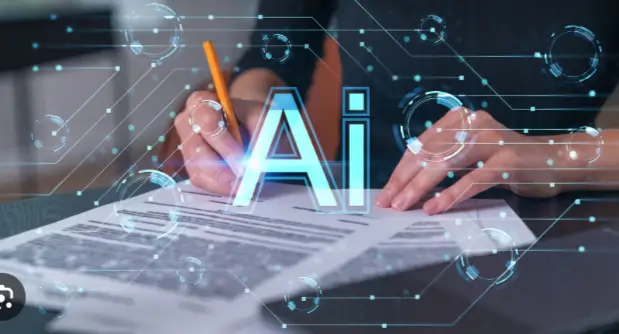
Artificial intelligence reshapes note-taking by capturing and organizing information with greater precision, speed, and context. It supports concise summaries, highlights, and filters that align with user intent. By blending automation with human judgment, AI reduces cognitive load and accelerates decision-making in meetings, lectures, and research. Yet safeguards, data privacy, and standardized prompts are essential to maintain control and collaboration. This balance raises what practices and tools best sustain smarter, secure notes as teams evolve.
What AI-Enhanced Note-Taking Is (and Isn’t)
AI-enhanced note-taking refers to tools and processes that augment the capture, organization, and retrieval of information during and after meetings, lectures, and research.
The approach blends AI ethics with practical guardrails, emphasizing data security and responsible use.
AI tools improve note precision, but users maintain autonomy, ensuring collaboration remains central while filters, summaries, and highlights support strategic decision-making.
How AI Improves Accuracy, Speed, and Context
AI improves note quality by aligning capture, processing, and retrieval with user goals: accuracy, speed, and context. The approach emphasizes precise data capture, rapid synthesis, and flexible retrieval, enabling autonomous navigation through volumes of information. By enhancing accuracy speed and context comprehension, AI boosts confidence, reduces cognitive load, and supports collaborative decision-making, while preserving user intent and freedom to explore connections.
See also: High Quality SEO 513767673 for Authority
Practical Ways to Integrate AI Notes Into Your Workflow
Practical integration of AI notes into daily workflows hinges on concrete, repeatable patterns that align capture, synthesis, and retrieval with team goals. Teams adopt standardized prompts, shared templates, and concise summaries to maintain momentum, while distribution and feedback loops ensure alignment. The duality of automation and human judgment guides decisions, preserving user privacy without hindering collaboration or creativity.
Choosing Tools and Safeguards for Smarter Collaboration
This stance emphasizes collaboration governance and data privacy as core safeguards.
The focus remains on scalable decision-making, transparent policies, and interoperable tools that empower autonomy, reduce risk, and sustain creative, efficient note-taking across distributed teams.
Frequently Asked Questions
How Secure Is My Data With AI Note-Taking Tools?
Data security varies by provider, but generally encompasses data encryption and privacy compliance measures; in practice, users should verify end-to-end encryption options, access controls, and third-party audits to ensure transparent, collaborative freedom without compromising sensitive information.
Can AI Replace Human Note-Takers Entirely?
“Where there’s a will, there’s a way.” Could AI replace humans? Not entirely, but note taking automation reshapes roles. It could augment, not erase, human judgment, cooperation, and nuance in collaborative, freedom-seeking environments. Could AI replace humans, indeed? No.
Do AI Notes Preserve Original Speaker Intent Accurately?
AI notes do not always preserve original speaker intent perfectly; they must recognize nuances and preserve context to support accurate representation, while remaining concise, strategic, collaborative, and aligned with a desire for freedom in interpretation.
What About Accessibility for Diverse Learning Needs?
To be frank, accessibility for diverse learning needs benefits from built-in accessibility features and adaptive interfaces, enabling personalized support across formats, pacing, and presentation; AI notes foster inclusive collaboration while respecting user autonomy.
How Do I Audit Ai-Generated Notes for Biases?
Bias auditing of AI-generated notes requires systematic checks, transparency, and stakeholder collaboration; they should assess sources, outcomes, and potential amplifications while respecting data privacy and users’ autonomy, enabling iterative improvements and accountable governance for freedom-seeking audiences.
Conclusion
In the quiet library of teamwork, AI serves as a compass within a locked chest. Symbols—lightning-quick highlights, a steady metronome of context, and a guarded vault for privacy—interlock to guide collective memory. The compass points toward clarity, collaboration, and accountability, not domination. When safeguards lock the lid, trust opens the chest; when prompts stay aligned with intent, notes become shared maps. In this balance, efficiency and autonomy illuminate the path to smarter, safer collaboration.